
The Rise of Standalone Casino Sites: A New Era in Online Gaming
In recent years, the online gambling industry has seen a significant transformation with the emergence of standalone casino sites standalone casino sites. These platforms have carved a unique niche amongst traditional online casinos and have become a popular choice for players seeking a more personalized gaming experience. This article explores the rise of standalone casinos, the advantages they offer, and how they differ from their multi-platform counterparts.
What are Standalone Casino Sites?
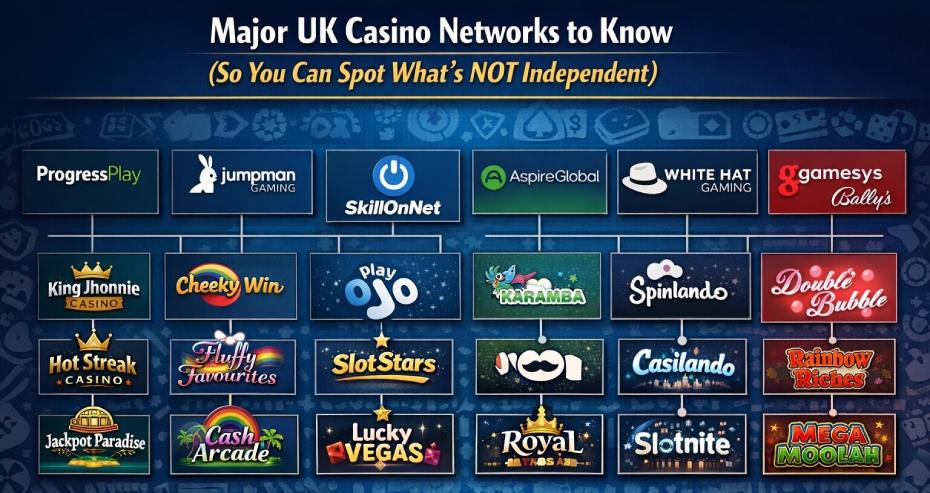
Standalone casino sites are independent online gambling platforms that operate without the backing of a larger casino network. Unlike multi-brand operators that manage several online casinos under one umbrella, standalone casinos focus on providing a unique, tailored experience to their users. This often results in distinctive branding, specialized game offerings, and bespoke promotions that cater to their player base.
The Benefits of Standalone Casino Sites
As players look for more than just a place to gamble, standalone casino sites offer several key advantages that set them apart from traditional online casinos:
1. Unique Gaming Experience
One of the most significant advantages of standalone casino sites is their ability to curate a unique gaming experience. These casinos often partner with specific software providers to offer exclusive games not found on other platforms. This specialization can attract players interested in niche games and innovative gaming mechanics.
2. Personalized Promotions
Standalone casinos often provide personalized promotions and bonuses tailored to their player base. Rather than a one-size-fits-all approach, these casinos frequently analyze player behavior and preferences, enabling them to deliver incentives that resonate with their audience. Such targeting can lead to higher engagement rates and customer loyalty.
3. Enhanced Customer Support
Customer support is another critical area where standalone casinos often excel. With a smaller player base, these sites can offer more dedicated and responsive customer service. Players appreciate the ability to get timely assistance, whether through live chat, email, or phone support. Standalone casinos have the flexibility to focus on building relationships with their users, which can significantly enhance the overall gaming experience.
4. Innovative Payment Options
Standalone casino sites are often at the forefront of adopting new technologies, especially in terms of payment processing. They may offer a broader range of banking options, including cryptocurrencies, e-wallets, and localized payment methods, catering to players from different regions. This flexibility makes the deposit and withdrawal process more convenient and secure.
How Standalone Casinos Differ from Multi-Brand Operators
While both standalone and multi-brand casinos operate online gambling platforms, there are several key differences between the two:
1. Brand Identity
Standalone casinos typically focus on creating a strong brand identity. They aspire to build a loyal customer base by offering a distinct theme, unique games, and customized experiences. On the other hand, multi-brand operators may prioritize quantity over quality, leading to similarities between different sites under the same ownership.
2. Target Audience
Standalone casinos often target specific demographics or niches within the gambling community. This targeted approach allows them to tailor their games and promotions directly to their audience’s interests. Conversely, multi-brand operators typically cast a wider net, potentially diluting their appeal to specific player segments.

3. Games Variety
While multi-brand casinos can offer extensive game libraries due to their partnerships with multiple software providers, standalone casinos often choose to focus on quality over quantity. They may provide a selected range of games that align with their brand identity, thereby enhancing the gameplay experience.
Challenges Faced by Standalone Casino Sites
Despite their advantages, standalone casinos also face several challenges:
1. Market Competition
The online gambling market is highly competitive, with numerous casinos vying for players’ attention. Standalone casinos must invest in effective marketing strategies to differentiate themselves in a crowded marketplace. This includes leveraging social media, SEO, and influencer partnerships to reach potential players.
2. Regulatory Hurdles
Operating an online casino comes with significant regulatory challenges that vary by jurisdiction. Standalone casinos must navigate the complexities of obtaining licenses and adhering to local laws, which can be a daunting task, especially for newer operators trying to establish themselves.
3. Building Trust and Reputation
As relatively new entrants in the gambling industry, standalone casino sites must work hard to build trust and a strong reputation. Players are often wary of less established platforms, making it essential for these casinos to demonstrate high levels of transparency, security, and fairness.
The Future of Standalone Casino Sites
As the online gaming industry continues to evolve, the future looks bright for standalone casino sites. With players increasingly seeking unique and personalized gaming experiences, these platforms are well-positioned to thrive. Innovations in technology, such as virtual reality and blockchain, may further enhance the appeal of standalone casinos by providing immersive gaming experiences and transparent transactions.
Conclusion
The rise of standalone casino sites marks an exciting development in the online gambling industry. Their unique offerings and personalized approaches cater to a growing demand for tailored gaming experiences. As competition intensifies, these casinos must continue to evolve and innovate to maintain their relevance and attract a loyal player base. Whether you are a seasoned gambler or a newcomer, standalone casinos present an exciting world of possibilities for engaging and enjoyable online gaming.